
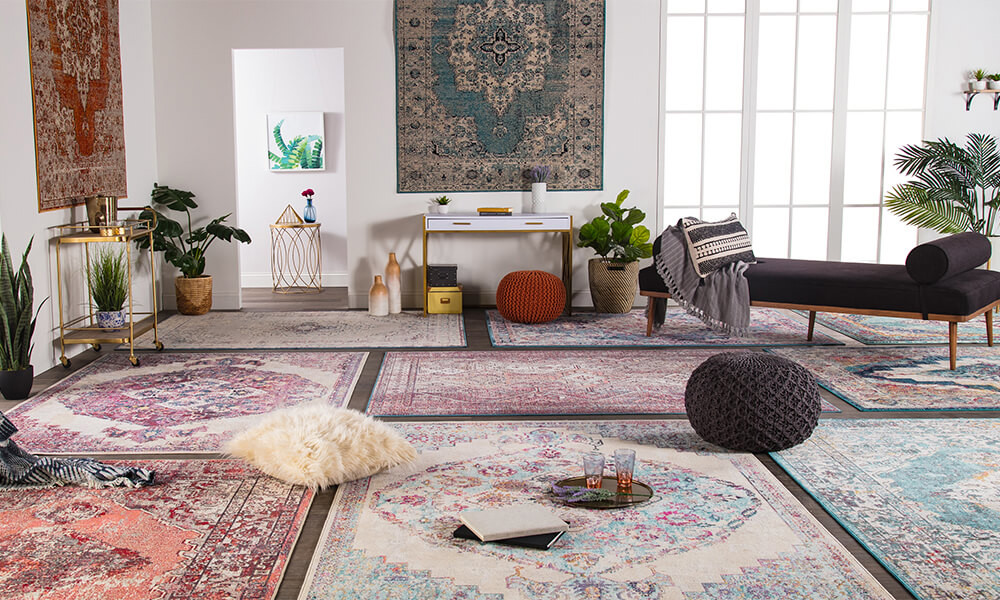
Transitional rugs blend traditional patterns with modern design, making them one of the most versatile choices for living rooms. To choose the right one, assess your room’s size, color palette, and furniture style first—then focus on material, pile height, and pattern scale. For premium handmade rugs in India, The Ambiente offers a strong starting point.
Your living room rug does more than cover the floor. It sets the tone for the entire space. A well-chosen rug ties furniture together, adds warmth underfoot, and gives the room a finished look. A poor choice, though, can make even a beautifully decorated space feel off.
Transitional rugs hit a sweet spot that many homeowners are looking for—they sit between traditional and contemporary styles, making them easy to pair with a wide range of interiors. If your living room mixes antique pieces with modern furniture, or if you simply want a rug that won’t go out of style in two years, a transitional rug is worth considering.
This guide walks you through everything you need to know—from assessing your space to understanding materials, patterns, and where to buy rugs online with confidence.
What Are Transitional Rugs, and Why Are They So Popular?
Transitional rugs borrow from two design worlds. They carry the structure and craftsmanship of traditional rugs—think Persian-inspired motifs, detailed borders, and rich color blocking—but strip away the formality. Modern color palettes, abstract interpretations of classic patterns, and cleaner lines give these rugs a more relaxed, livable feel.
That balance is exactly why they work in so many living rooms. A transitional rug doesn’t demand a specific furniture style. It adapts. Whether your sofa is a tufted Chesterfield or a low-profile sectional, a well-chosen transitional rug can anchor the space without fighting for attention.
They’re also forgiving when it comes to décor changes. If you repaint your walls or swap out cushions, a transitional rug often still works—its design is flexible enough to hold up across style shifts.
How to Assess Your Living Room Before Buying a Rug
Before you browse a single product page, take stock of what you’re working with.
What does your existing décor look like?
Look at your furniture finishes, wall color, and any artwork or textiles in the room. If your space leans warm—think honey-toned wood, terracotta accents, cream walls—you’ll want a rug with warm undertones. If your room is cooler—grays, whites, steel-blue upholstery—look for rugs in muted blues, soft greens, or charcoal.
Transitional rugs work best when they echo at least one or two colors already present in the room, without being a perfect match for everything.
How big is the space, and how is the furniture arranged?
Room size and furniture layout directly affect what rug size you need. A common rule: in a living room, your rug should be large enough that the front legs of all major furniture pieces rest on it. This creates a cohesive, grounded look.
Measure your seating area before you buy. Common living room rug sizes are 5×8 ft, 8×10 ft, and 9×12 ft. Most standard living rooms work well with an 8×10 ft or 9×12 ft rug. If you choose something too small, the room can feel disjointed.
What to Look for When Choosing a Transitional Rug
Material: What’s the rug made of?
Material affects how a rug looks, feels, and holds up over time.
-
Wool is the gold standard for handmade rugs. It’s naturally stain-resistant, durable, and soft underfoot. Wool rugs tend to improve with age when maintained properly.
-
Silk adds sheen and detail. Silk rugs catch light beautifully, making patterns look more intricate. They’re typically used as accent pieces rather than high-traffic rugs.
-
Wool-silk blends give you the durability of wool with the visual richness of silk—a practical choice for living rooms that see regular use.
-
Cotton is lightweight and affordable, but less durable than wool. Better suited to low-traffic areas or casual spaces.
For a living room that gets daily use, a wool or wool-silk blend transitional rug is the most practical long-term investment.
Color and Pattern: How do you integrate the rug into your room?
Transitional rugs often feature geometric patterns, softened florals, or abstracted medallion designs. The key is scale. In a large living room, a bold pattern with a large repeat works well. In a smaller space, opt for a finer, more intricate pattern—it won’t overwhelm the room.
For color, start with neutral-ground rugs if you’re unsure. Ivory, gray, or taupe backgrounds are forgiving and pair easily with most furniture. If your room is already neutral, a transitional rug with deeper tones—navy, rust, forest green—can add depth without disrupting the balance.
Pile Height: Comfort and Practicality
Pile height refers to how tall the rug fibers are.
-
Low pile (under 0.5 inches): Easy to clean, holds up well under furniture, works in high-traffic areas.
-
Medium pile (0.5–0.75 inches): A good all-rounder for living rooms. Comfortable underfoot, not too hard to maintain.
-
High pile (over 0.75 inches): Soft and plush, but harder to vacuum and not ideal if you have heavy furniture sitting on it.
For most living rooms, a medium-pile transitional rug strikes the right balance between comfort and practicality.
Why Premium Handmade Rugs From India Are Worth the Investment
Not all rugs are created equal. Machine-made rugs can look similar on screen but feel flat and wear out faster. Handmade rugs, particularly those from India’s weaving heritage, offer something fundamentally different.
The Ambiente is a design-led rug brand based in Bhadohi, Uttar Pradesh—India’s largest hub for hand-knotted carpet weaving. Backed by over 30 years of manufacturing expertise through its parent company, Bhadohi Carpets, The Ambiente combines traditional handweaving techniques with contemporary design.
What makes The Ambiente’s rugs stand out?
Founded by Avani Khandelwal, an MBA from MDI Gurgaon with a background in marketing and consumer behavior, The Ambiente was built to make premium handmade rugs in India accessible to a wider audience—not just luxury buyers. The brand has served over 5,000 clients across India and internationally.
Their rugs are handcrafted by a network of skilled artisans, over 4,000 of whom are women from rural communities in Bhadohi. Each rug is made in close collaboration between artisans and an in-house design team, which means the craftsmanship and design quality are both held to a high standard.
The result is a rug that holds its shape, retains color well, and improves with age—qualities that mass-produced rugs simply can’t replicate.
Ethical sourcing and artisan support
The Ambiente actively works to provide sustainable livelihoods to its artisan community. By buying from The Ambiente, you’re supporting traditional craft skills that have been passed down through generations in Bhadohi, while also getting a rug built to last.
How to Buy Rugs Online Without Second-Guessing Yourself
Buying a rug online can feel uncertain. You can’t feel the texture or see the exact color in your lighting. Here’s how to reduce the guesswork:
-
Use the product dimensions carefully. Tape out the rug size on your floor before ordering. This simple step prevents the most common buying mistake—choosing the wrong size.
-
Check the material description. Look for specific details: fiber type, pile height, and weave method. Vague descriptions like “soft and durable” without specifics are a warning sign.
-
Look at multiple product images. A good online rug retailer will show the rug in a room setting, as a flat lay, and with a close-up of the texture.
-
Read the return policy. Even with the best research, sometimes a rug just doesn’t work in your space. A flexible return policy matters.
The Ambiente’s online store provides detailed product information, room-setting images, and a straightforward buying process—designed to give you the confidence to buy rugs online without walking into a showroom.
How to Keep Your Transitional Rug Looking Good
A quality rug lasts decades with proper care.
-
Vacuum regularly, at least once a week in high-traffic areas. Use a low-suction setting for wool and silk rugs to avoid damaging the fibers.
-
Rotate the rug every 6–12 months to ensure even wear across the surface.
-
Blot spills immediately. Don’t rub—blotting prevents the stain from spreading into the pile.
-
Use a rug pad. This prevents slipping, adds cushioning, and protects both the rug and your floor.
-
Professional cleaning every 1–2 years is recommended for wool and silk rugs. This removes deep-set dirt that regular vacuuming can’t reach and helps preserve the fibers.
The Right Rug Makes a Real Difference
Transitional rugs work because they’re built for real homes—spaces that evolve, mix styles, and need pieces that can keep up. Choosing the right one comes down to knowing your space, understanding materials, and buying from a source you can trust.
For premium handmade rugs in India with genuine craftsmanship and fair pricing, The Ambiente is a reliable choice. Their collection spans ready-to-ship and bespoke options, so whether you need a rug by next week or want something made to your exact specifications, there’s a clear path forward.
Browse The Ambiente’s transitional rug collection online and find the one that fits your living room.
Frequently Asked Questions
What is a transitional rug, and how is it different from a traditional rug?
A transitional rug blends elements of traditional rug design—such as structured patterns and rich colors—with a more contemporary, simplified aesthetic. Traditional rugs tend to be more formal and ornate, while transitional rugs use cleaner lines and updated color palettes that work across a wider range of interior styles.
What size transitional rug should I choose for my living room?
The most common guideline is to choose a rug large enough for the front legs of all major furniture pieces to rest on it. For most living rooms, an 8×10 ft or 9×12 ft rug works well. Always measure your seating area before buying, and tape out the dimensions on your floor to visualize the size.
Is it safe to buy rugs online, and how do I avoid choosing the wrong one?
Yes, buying rugs online is reliable when you follow a few steps. Measure your space carefully, read full material descriptions, review multiple product images including close-ups, and check the return policy before purchasing. Reputable retailers like The Ambiente provide detailed product information to help you make a confident decision.
What is the best material for a transitional rug in a high-traffic living room?
Wool is the most practical material for a high-traffic living room rug. It is naturally durable, stain-resistant, and maintains its appearance well over time. Wool-silk blends are also a strong option if you want additional visual richness alongside durability.
Why choose premium handmade rugs from India over machine-made alternatives?
Handmade rugs from India, particularly from weaving centers like Bhadohi, are made using traditional techniques that produce tighter knots, more consistent pile, and better long-term durability. Brands like The Ambiente back this craftsmanship with over 30 years of industry expertise and rigorous design standards. Machine-made rugs are typically less durable and lack the same depth of character.
How often should I clean a handmade transitional rug?
Vacuum your rug weekly in high-traffic areas. Rotate it every 6–12 months for even wear. For deep cleaning, professional rug cleaning every one to two years is recommended, especially for wool and silk rugs.